The rise of branded residences from Four Seasons to Aman and beyond

Today, there are hundreds of hotel brands offering residences, with key luxury players including Ritz-Carlton, Mandarin Oriental, Anantara and Rosewood
While most of us can’t afford to live in a five-star property for extended periods, hoteliers have decided to cater to those who can by launching a new category of accommodation aimed at their most loyal customers: hotel-branded residences.
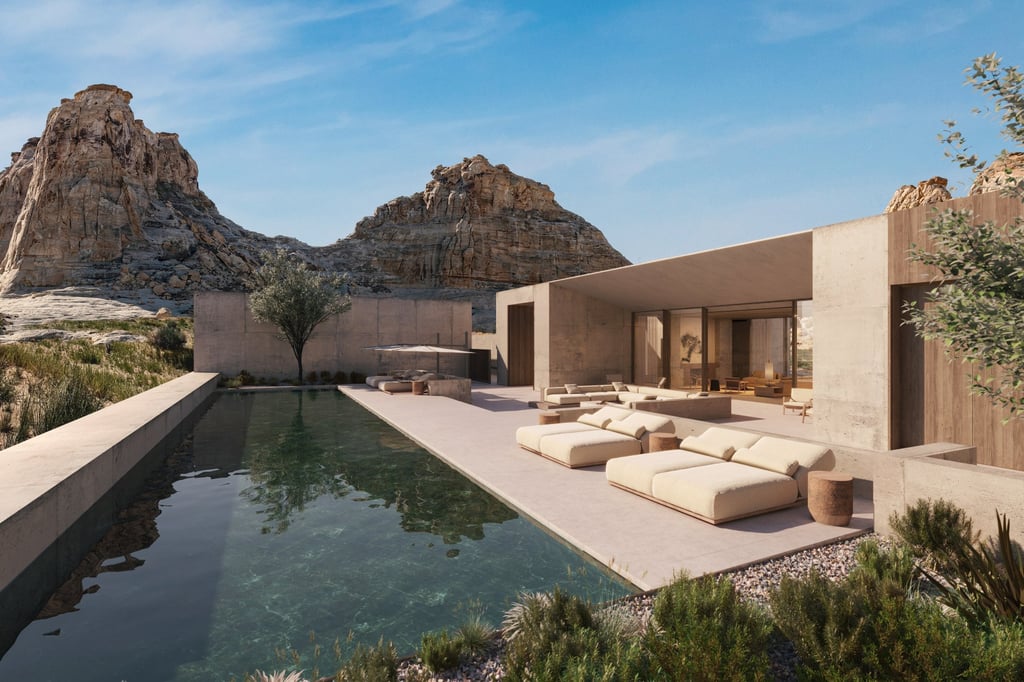
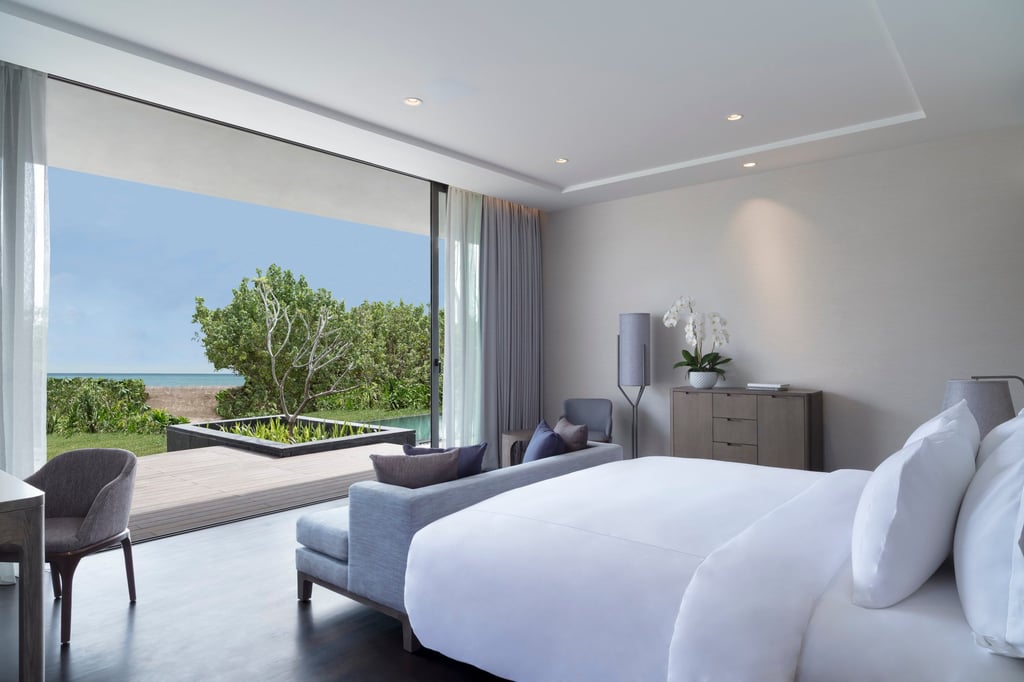
Today there are various factors driving the demand for hotel-operated residences. For a start, the target audience has evolved and expanded from loyal guests and return customers to ultra-high-net-worth individuals – both local and foreign – who see these “homes” as an extension of their global lifestyle.
“As many already own multiple properties, they’re seeking a lifestyle without the complexities of property management, and they trust our teams to take care of everything,” says Vladislav Doronin, owner, chairman and CEO of Aman Group. “There’s also a strong investment case. Our rental pool programme offers attractive returns, and we’ve seen consistent year-on-year capital appreciation across our properties.”
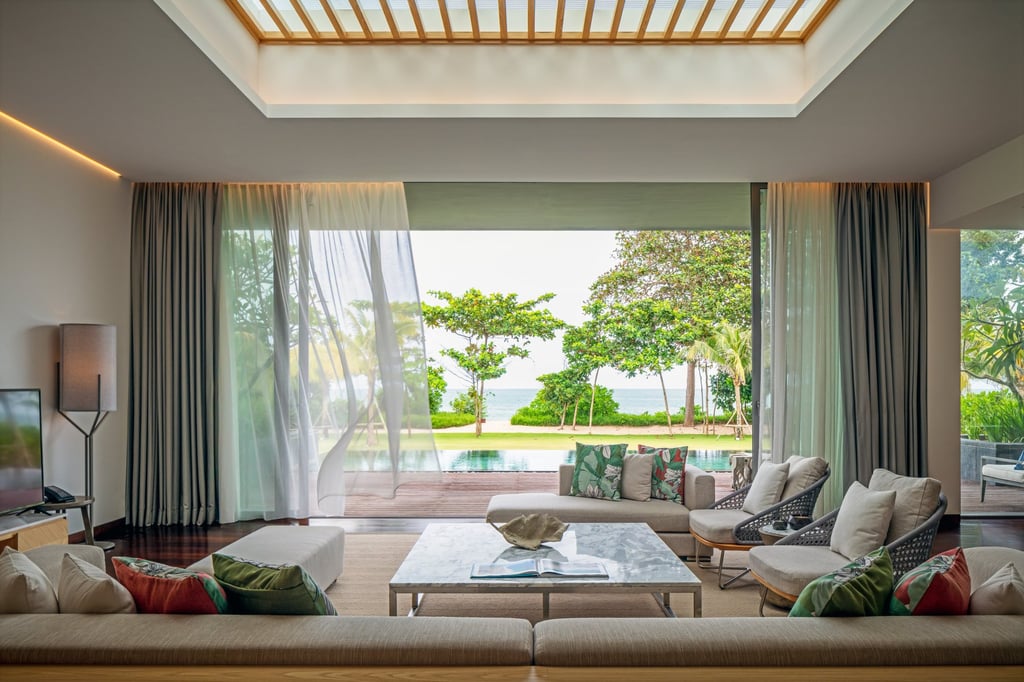
The locations themselves are also attractive and varied. While branded residences have historically played a role in transforming emerging destinations, factors such as new lifestyle habits have encouraged hoteliers to expand their global footprint. Established urban centres like New York, Dubai and Madrid are just as popular as off-the-beaten-track destinations such as Malaysia’s Desaru Coast (Anantara) and the canyonlands of Utah (Aman) as buyers look for a genuine connection to the place they’re investing in. Europe and the Middle East are also emerging hotspots.
While many projects were originally conceived to complement the brand’s existing hotel portfolio, stand-alone developments are also trending – as evidenced by Mandarin Oriental’s and Rosewood’s recent openings in Beverly Hills, California.