M+ museum showcases 20th century Cantonese art
The paintings, prints and other visual media of Guangdong show its transformative contribution to 20th century Chinese art

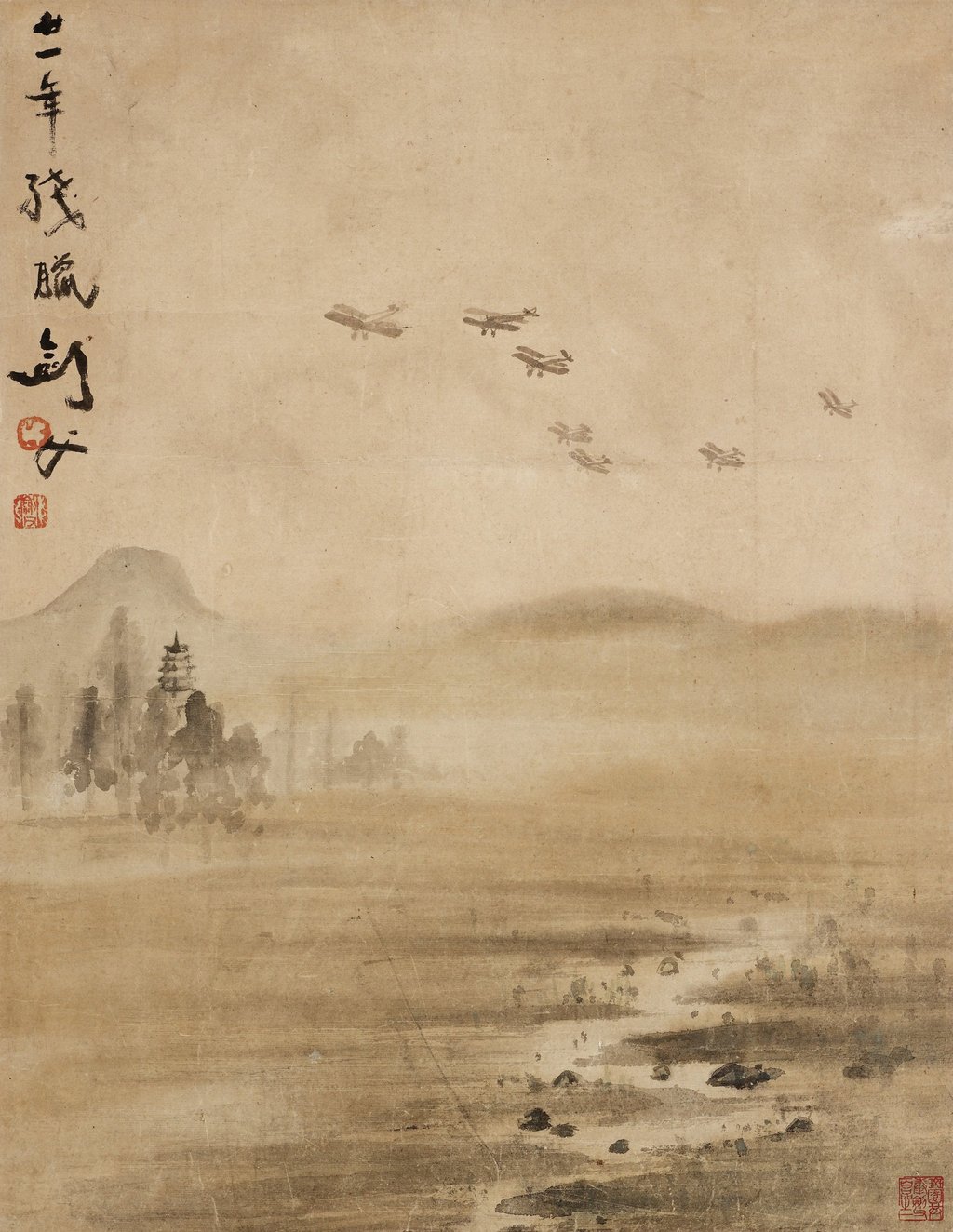
Art mirrored the region’s position as both a cradle of revolutionary thought – Sun Yat-sen’s 1911 uprising originated in Guangdong – and a laboratory for artistic experimentation. As printmakers, photographers and cartoonists, these creators used mass media to document social upheaval, from the Japanese occupation to post-war reconstruction, creating a visual vocabulary that balanced regional pride with a national consciousness.
Cantonese artists mastered the art of going viral long before social media. The 1940 “Exhibition of Guangdong Cultural Heritage” showcased woodblock prints and political cartoons that circulated through clandestine networks, amplifying leftist ideologies during the second Sino-Japanese war. Liao Bingxiong’s satirical sketches, for example, skewered wartime corruption while Yau Leung’s street photography captured Hong Kong’s post-1949 identity crisis – caught between British colonialism and Communist influence from north of the border. As M+ curator Tina Pang Yee-wan notes, the works of these creators “takes us back in time as witnesses to the formation of our image-driven world”.
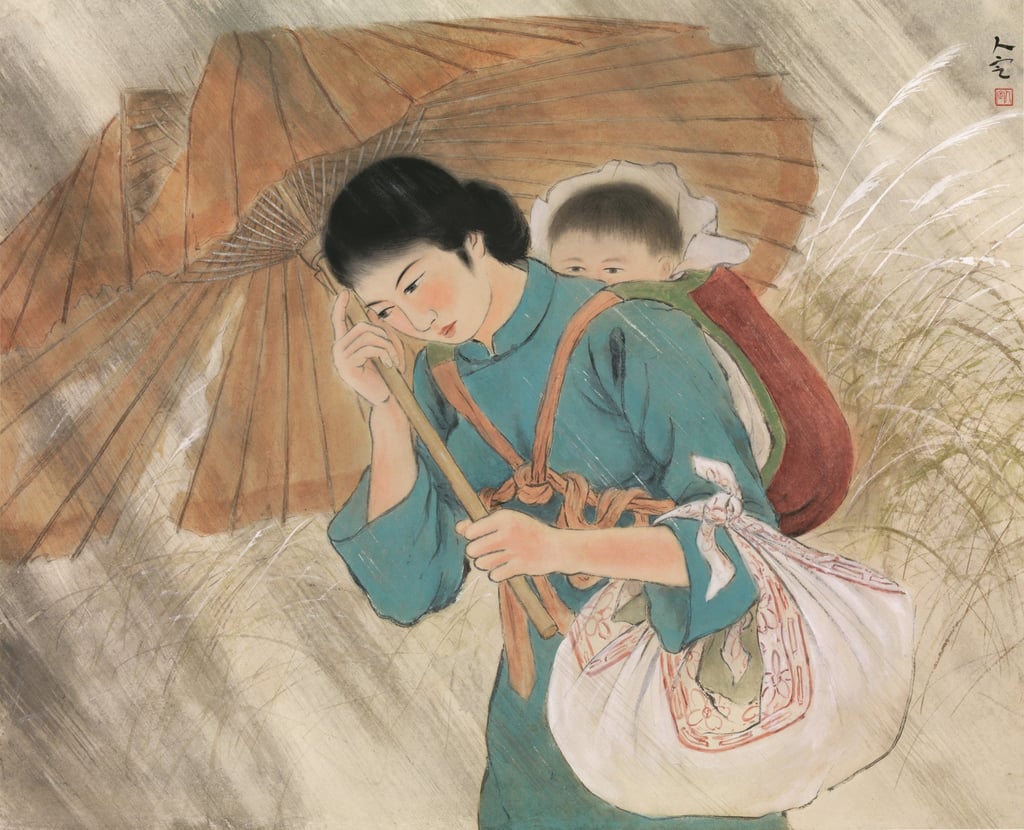
The exhibition’s second act examines how artists negotiated shifting gender norms amid revolution and reconstruction. Wong Siu-ling’s 1941 oil painting Sewing for You subverted traditional guixiu (gentlewoman) tropes by portraying a woman as an agent of wartime resilience. After the formation of the Chinese Communist state in 1949, socialist realism co-opted this imagery, transforming women into symbols of state vitality.