It is that time of year when the stars of Hong Kong’s racecourses take centre stage, which makes now as good a time as any to take a look at a few names that stand out from the crowd.
There are three equine icons that define racing in Hong Kong: the one who lifted our spirits, the one who is a local hero and the one who conquered global riches.
More than just a horse
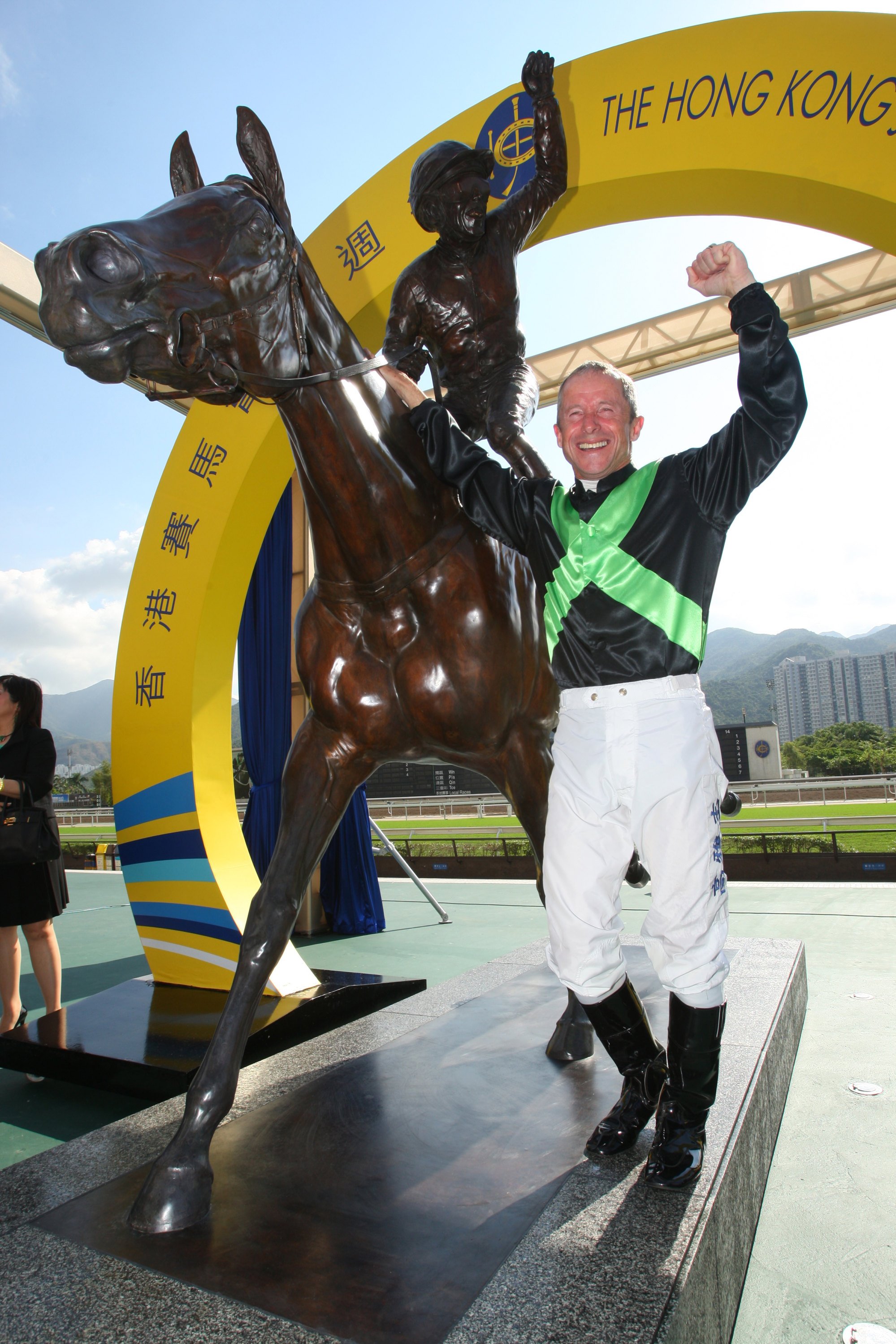
Walking into Sha Tin Racecourse, visitors are greeted by a life-size bronze statue that makes the importance of one horse abundantly clear.
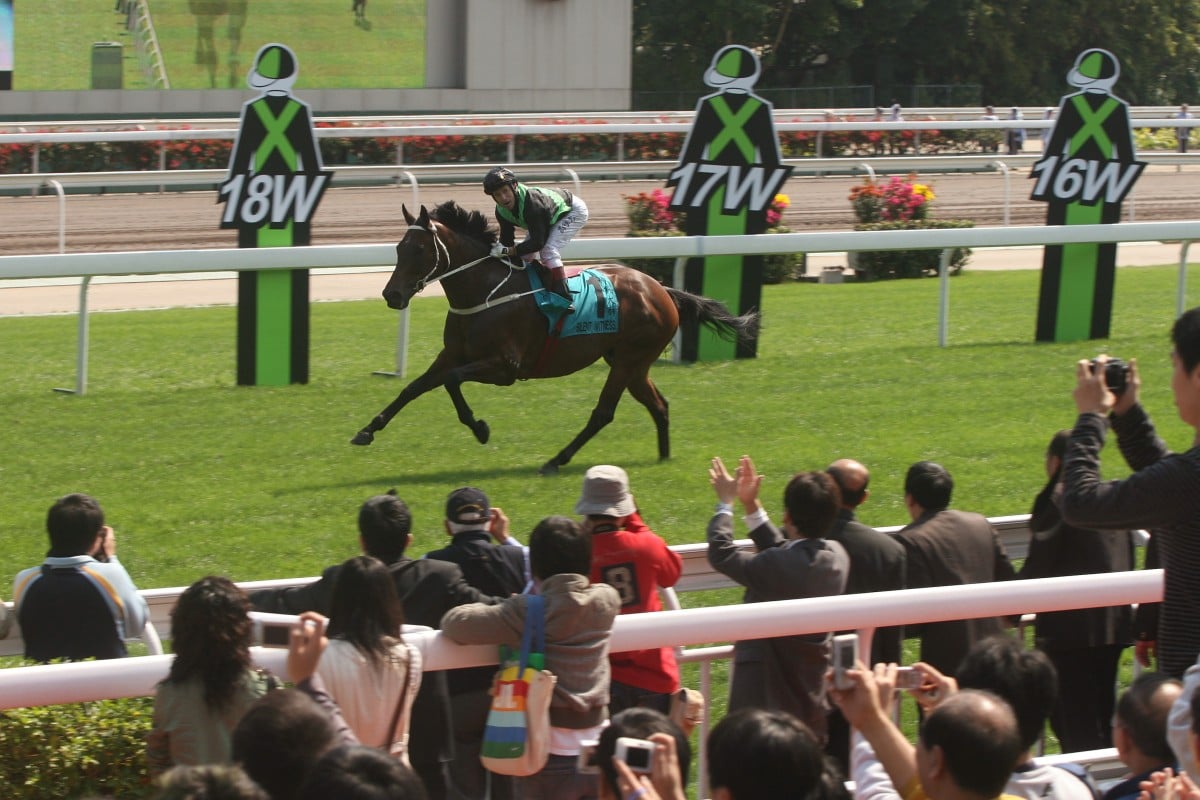
Silent Witness, who shares the record of 17 consecutive wins in Hong Kong and was twice named Horse of the Year (2004 and 2005), is a local legend.
In 2004, Silent Witness was included on Time magazine’s list of the world’s 100 most influential people. He wasn’t just a horse; he was a symbol of hope.
At the height of his fame, Silent Witness inspired Hong Kong during the dark days of Sars, putting on a streak of remarkable performances.
He beat top international sprinters three times, including two Hong Kong Sprint victories, and won the Sprinters Stakes in Japan, making him a global superstar.
In difficult times, Silent Witness’ determination and spirit brought hope to Hong Kong.
The Hong Kong Jockey Club later erected a bronze statue at Sha Tin to honour a horse that came to represent the city’s resilience and made a lasting impact on Hong Kong racing.
“Silent Witness occupies a place in history as the greatest horse Hong Kong racing has ever seen,” the Jockey Club once announced.
He was immortalised in bronze at Sha Tin after his final race in February 2007.
Silent Witness retired at the age of seven and now lives at the Living Legends facility near Melbourne, Australia.
Pride of Hong Kong
Another champion who kept on winning, even during the Covid-19 pandemic, is Golden Sixty.
He is known as the “Pride of Hong Kong”, a testament to his status as the local hero of Hong Kong racing during the pandemic.
His name stands for excellence and resilience.
Golden Sixty is currently the top-selling champion horse in the Jockey Club’s official gift shops.
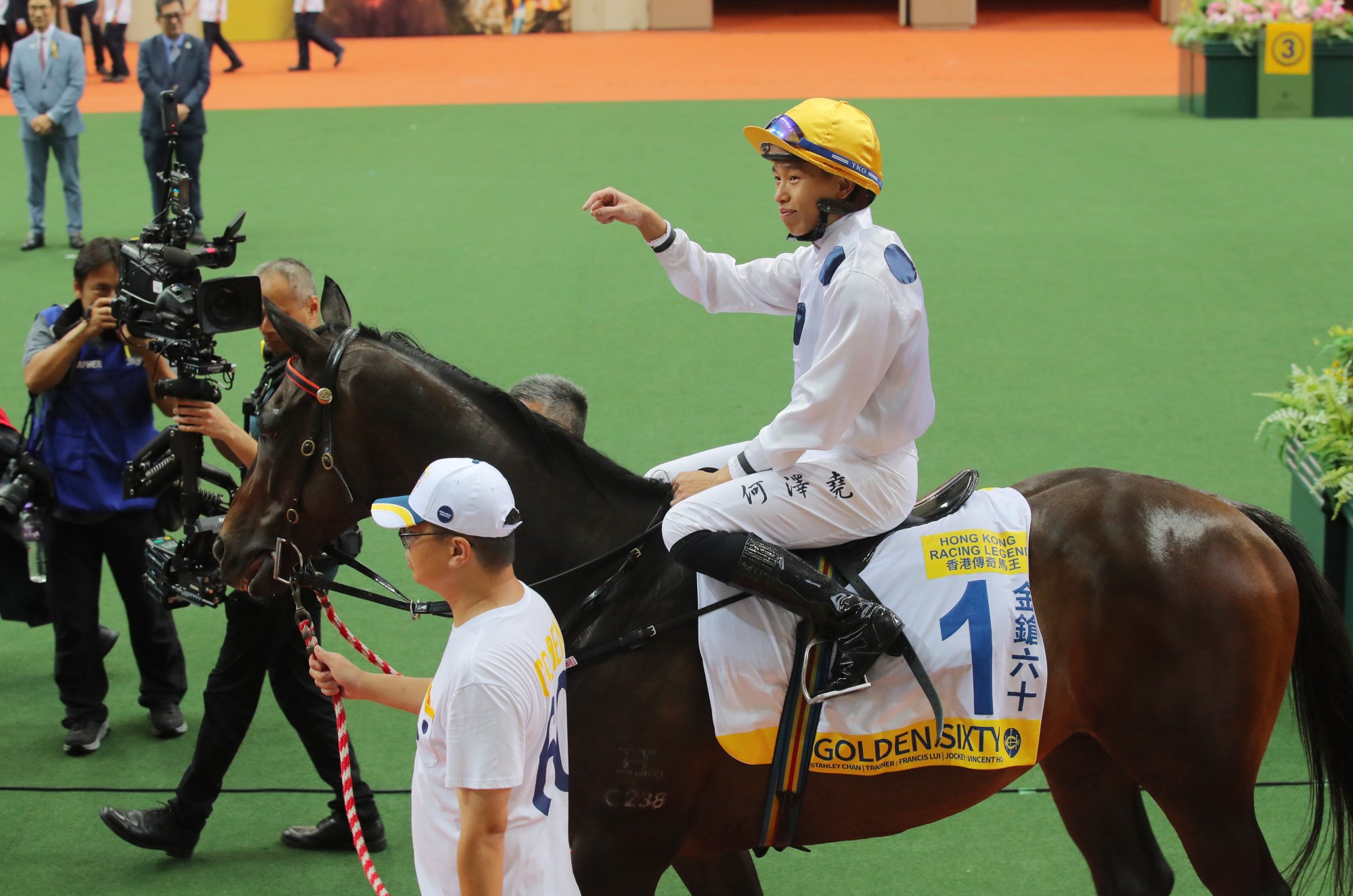
He won 10 Group One races and three straight Horse of the Year titles, and was once the highest-earning horse in Hong Kong, with HK$240 million (roughly US$30 million), now ranked second.
Golden Sixty officially retired on September 21, 2024, leaving the sport with the most wins of any horse in Hong Kong racing history.
Winfried Engelbrecht-Bresges, CEO of the Hong Kong Jockey Club, said: “Golden Sixty is one of the all-time greats in the history of Hong Kong racing.
“His exceptional ability to accelerate and dominate against not only the best of Hong Kong but also a string of world-class international contenders makes him a horse of a lifetime.”
So who broke Golden Sixty’s earnings record?
Romancing the fans
Just last month, Romantic Warrior won the Longines Hong Kong Cup for the fourth time, a feat never achieved before, and did so with a commanding victory, making it clear why he now holds the record.
On December 14, Romantic Warrior claimed his 11th Group One title by winning the HK$40 million race and extended his world-leading prize money record.
As of January 27, this middle-distance champion has earned a total of about HK$247.39 million, the most prize money of any racehorse in history.
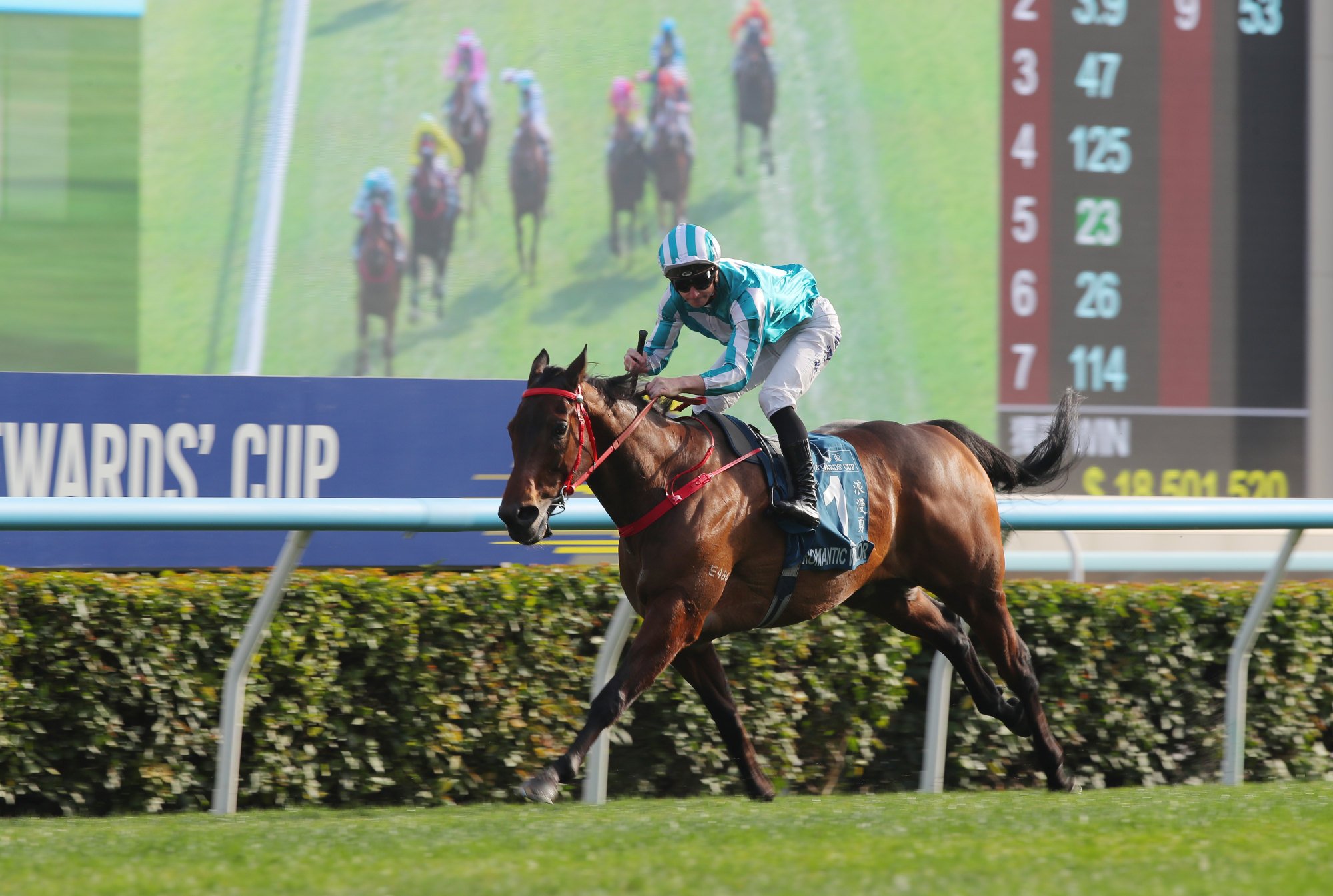
Bought at the Hong Kong International Sale, Romantic Warrior has raced at a mile three times, winning the 2022 Hong Kong Classic Mile, finishing second to Golden Sixty in the 2023 Stewards’ Cup, and capturing the 2024 Yasuda Kinen (1600m Group One) in Japan.
He is also popular in the gift shops, with his romantic name attracting many female fans.
Some female Japanese visitors say they have even visited Hong Kong especially for Romantic Warrior, calling him “so cute and also very fast”.
History of Hong Kong racing
Looking further back in Hong Kong racing history, the city’s first race likely took place as early as 1845, though records from that time are incomplete.
It is said that between 1847 and 1851, the horse with the most wins was not a famous thoroughbred but a small, charming pony.
In those days, English horses, Arab horses and even ponies all took part, with races divided by breed.
Now, Hong Kong races are run by thoroughbreds, the fastest and most valuable of all horse breeds.
The development of the thoroughbred can be traced to the 17th and 18th centuries, when three stallions from the Middle East were imported to England: the Byerley Turk, the Darley Arabian and the Godolphin Arabian.
So, interestingly, all modern thoroughbreds, including the three Hong Kong stars, are descended from those three foundation sires.